

Beauty rituals with botanical blends are natural skincare and haircare practices that use plant-based mixtures to nourish, protect, and repair the body. The role of plant extracts in beauty products spans centuries, but modern formulation science has made these rituals more effective than ever. Chamomile, calendula, rosehip, hibiscus, and essential oil blends now appear in everything from facial toners to scalp treatments. Raasacred builds its entire product philosophy around this principle: pure botanicals, thoughtfully combined, deliver results that single synthetic ingredients rarely match.
1. What are the top botanical blends and their benefits for skin and hair?
The most effective botanicals in natural beauty routines work through multiple biological pathways at once. Multi-mechanistic botanical formulas target oxidative stress, pigmentation, and collagen degradation simultaneously. That multi-target action is why a well-formulated botanical blend outperforms a single-ingredient product.
Chamomile calms redness and reduces inflammation. It suits sensitive and reactive skin types well. Calendula strengthens the skin barrier and speeds surface repair. Rosehip delivers a high concentration of vitamin C and essential fatty acids, making it a reliable choice for fading dark spots and improving skin texture. Hibiscus contains natural alpha hydroxy acids that gently exfoliate and firm the skin over time.
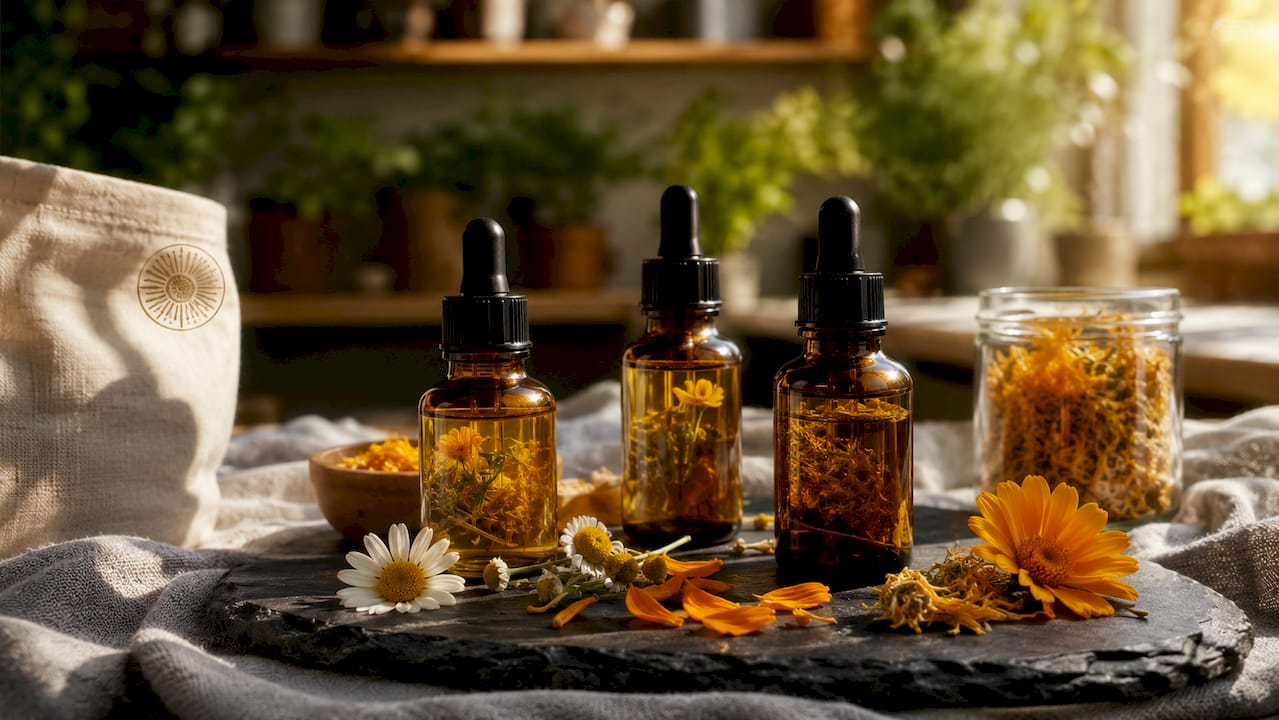
For hair, argan oil and jojoba oil are carrier oils that mimic the scalp’s natural sebum. They absorb without leaving a heavy residue. Peppermint and rosemary essential oils stimulate circulation at the scalp, which supports hair growth and reduces buildup.
Botanical blends also appear in four main forms: oils, herbal infusions, toners, and spray mists. Each format delivers plant actives differently. Oils provide the deepest nourishment and longest-lasting moisture. Infusions and toners deliver lighter, water-soluble compounds that absorb quickly. Spray mists work well as a finishing step or mid-day refresh.
Pro Tip: Combine chamomile and calendula in a carrier oil base for a soothing facial blend. Both botanicals work on the same anti-inflammatory pathway, so their effects reinforce each other rather than compete.
2. How to safely incorporate botanical blends into daily beauty rituals
Not all botanicals are gentle. Soothing botanicals like oat and calendula support barrier comfort, while fragrant essential oils carry a higher irritation risk. This distinction matters before you add any new blend to your routine.
Follow these steps to introduce botanical blends safely:
- Patch test every new blend. Apply a small amount to your inner forearm and wait 24–48 hours before applying it to your face or scalp. This single step prevents most allergic reactions.
- Start with one new botanical at a time. Adding multiple new ingredients at once makes it impossible to identify what caused a reaction.
- Dilute essential oils properly. Never apply undiluted essential oils directly to skin. A 1–2% dilution in a carrier oil is the standard starting point for facial use.
- Layer from lightest to heaviest. Apply water-based toners and infusions first, then seal with an oil or balm. This order improves absorption and prevents pilling.
- Limit session frequency for active botanicals. Exfoliating botanicals like hibiscus or papaya enzyme should appear in your routine no more than two or three times per week.
- Watch for cumulative irritation. Redness, tightness, or breakouts that appear after a week of use signal over-layering, not just a bad reaction to one product.
Botanical effectiveness depends on molecular interaction with skin pathways and advanced delivery systems, not concentration alone. A well-formulated blend at a lower percentage often outperforms a crude extract at a high one.
Pro Tip: If you use a fragrance layering body oil that contains essential oils, apply it after moisturizer, not before. The moisturizer layer reduces direct skin contact and lowers irritation risk.
3. Step-by-step botanical beauty rituals for morning and evening skin care
Structure separates an effective botanical routine from a random collection of products. Morning and evening rituals serve different biological functions, so the botanicals you choose for each should reflect that difference.
Morning routine:
- Cleanse with a gentle, plant-based wash that contains calendula or green tea extract.
- Apply a chamomile or rose hydrosol toner while skin is still damp.
- Layer a lightweight rosehip or sea buckthorn oil over the toner. Both provide antioxidant protection against environmental stress.
- Finish with a mineral SPF. Botanical oils do not replace sun protection.
Evening routine:
- Double cleanse if you wore SPF or makeup. A botanical cleansing oil removes oil-based residue effectively.
- Use a hibiscus or bakuchiol serum to support cell turnover overnight.
- Apply a richer botanical body oil or facial oil as the final step. Calming botanicals like chamomile and fennel support relaxation alongside skin repair, making them ideal for an evening ritual.
- Once or twice a week, add a facial steam before your serum step.
For a facial steam, steep 15–20g of dried lavender, calendula, or rose petals in hot water. Avoid boiling water to protect delicate aromatic compounds and prevent skin damage. Hold your face 10–12 inches above the bowl for no more than five minutes.
Weekly hair ritual: Warm a botanical hair oil in your palms and massage it into the scalp for five minutes before washing. This improves circulation and conditions the hair shaft. Raasacred’s botanical hair oil collection is formulated specifically for this pre-wash ritual.
4. Comparison of botanical blend formats: oils, infusions, toners, and masks
Choosing the right format determines how well a botanical active actually reaches your skin. Each format has a distinct absorption profile and best use case.
| Format | Concentration | Absorption speed | Best skin type | Shelf life |
|---|---|---|---|---|
| Botanical oil | High | Slow, deep | Dry, mature | 6–24 months |
| Herbal infusion | Low to medium | Fast | All types | 1–3 days (fresh) |
| Toner or hydrosol | Low | Very fast | Oily, combination | 3–12 months |
| Clay or botanical mask | Medium to high | Moderate | Oily, congested | 6–12 months |
Herbal infusions require careful preparation. A balanced herbal infusion uses 15–20g of botanical herbs per liter of water, steeped at 212°F for 7–10 minutes. That ratio extracts the active compounds without over-concentrating tannins, which can dry out skin.
DIY botanical masks and infusions have a short shelf life. Refrigerate fresh infusions and use them within three days. Add vitamin E oil or rosemary extract to DIY oil blends to extend stability. Commercially formulated products from brands like Raasacred include preservation systems that maintain potency for months.
Pro Tip: Freeze leftover chamomile or green tea infusion in an ice cube tray. Rubbing a botanical ice cube across clean skin in the morning tightens pores and delivers a quick antioxidant boost.
5. When and why to adjust botanical routines based on skin type and season
A botanical routine that works in july can cause breakouts or dryness by december. Skin behavior changes with humidity, temperature, and UV exposure, and your plant-based routine needs to reflect that.
By skin type:
- Dry skin benefits from richer carrier oils like rosehip, marula, or avocado. Use them morning and evening.
- Oily or acne-prone skin responds better to lightweight oils like jojoba or hemp seed, which regulate sebum without clogging pores.
- Sensitive skin needs barrier-first botanicals: oat extract, centella asiatica, and calendula. Avoid fragrant essential oils until the barrier is stable.
- Mature skin gains the most from multi-target botanical formulas that address pigmentation, hydration loss, and collagen breakdown at the same time.
By season:
- In winter, add a facial oil as a second layer over your moisturizer. Cold air strips moisture faster than skin can replace it.
- In summer, switch to a lighter toner or hydrosol as your primary botanical step. Heavy oils can feel occlusive in heat and humidity.
- In spring and fall, these are transition periods. Introduce new botanicals gradually during these months, since skin reactivity often increases as the climate shifts.
Advanced delivery systems, including nanoemulsions, improve how well botanical actives penetrate skin in any season. Delivery systems improve bioavailability by controlling how and where plant compounds are released. This is why a well-formulated commercial product often outperforms a homemade version with the same ingredients.
Key takeaways
Botanical blends work best when you match the right plant actives to your skin type, apply them in the correct order, and adjust your routine as seasons change.
| Point | Details |
|---|---|
| Multi-mechanistic formulas win | Blends targeting antioxidant, anti-inflammatory, and anti-aging pathways outperform single-ingredient products. |
| Patch test every new blend | Apply to the inner forearm for 24–48 hours before facial use to prevent reactions. |
| Format determines absorption | Oils penetrate deeply; toners and infusions absorb fast. Match the format to your skin’s needs. |
| Adjust for season and skin type | Switch to lighter formats in summer and richer oils in winter to maintain skin balance. |
| Preparation ratios matter | Use 15–20g of herbs per liter of water at 212°F for 7–10 minutes to extract actives correctly. |
What I’ve learned from years of watching botanical beauty evolve
The most common mistake I see is treating botanical beauty as a trend to follow rather than a practice to personalize. People load up on every plant extract that gets attention online, layer them without logic, and then blame the botanicals when their skin reacts. The botanicals are rarely the problem. The approach is.
What actually works is restraint. A two or three botanical blend, chosen for your specific skin concern, applied consistently over weeks, produces better results than rotating through ten products every month. The science backs this up. Botanical formulas combining anti-tyrosinase, anti-hyaluronidase, and radical scavenging activities show comprehensive anti-aging effects precisely because they are designed to work together, not because they contain the most ingredients.
The other thing I’d push back on is the assumption that natural always means safe. Fragrant essential oils are natural. They are also among the most common causes of contact dermatitis in skincare. Knowing the difference between a soothing plant extract and a potentially irritating one is not optional knowledge. It is the foundation of any effective botanical practice.
Sustainable botanical beauty is also moving toward upcycled plant bioactives, using byproducts from food and agricultural processing to create high-potency extracts. That shift is worth watching. It reduces waste and often produces more concentrated actives than conventional extraction. The brands building with that in mind are the ones I trust most.
— Val
Raasacred botanical blends for your daily ritual
Raasacred formulates every product around the same principle this article covers: pure botanicals, the right delivery format, and a non-greasy finish that fits real daily life.
The Sacred Bloom skin layering oil is built for the evening ritual step described above. It combines 100% pure essential oils with carefully selected carrier oils to nourish skin overnight without heaviness. For hair, the botanical hair oil collection covers the pre-wash scalp ritual from root to tip. If you want to add mood-enhancing botanicals to your morning routine, the aromatherapy roll-ons deliver targeted essential oil blends in a format you can carry anywhere. Every formula is made to work with your skin, not against it.
FAQ
What are beauty rituals with botanical blends?
Beauty rituals with botanical blends are structured skincare and haircare practices that use plant-derived ingredients, such as oils, infusions, and extracts, to nourish and protect the body. They combine botanical chemistry with consistent application to deliver results over time.
Which botanicals are best for sensitive skin?
Oat extract, calendula, and centella asiatica are the safest starting points for sensitive skin. These botanicals support the skin barrier without the irritation risk that fragrant essential oils carry.
How do I prepare a botanical herbal infusion for skin care?
Use 15–20g of dried herbs per liter of water, steeped at 212°F for 7–10 minutes. This ratio extracts active compounds effectively without over-concentrating tannins that can dry or irritate skin.
Can I use botanical oils on oily or acne-prone skin?
Yes. Lightweight oils like jojoba and hemp seed closely mimic the skin’s natural sebum and do not clog pores. Avoid heavy oils like coconut or cocoa butter if your skin is prone to congestion.
How often should I change my botanical routine?
Adjust your routine with the seasons, switching to lighter formats in summer and richer oils in winter. Introduce new botanicals one at a time and allow at least two to three weeks before evaluating results.