

The most effective dry skin body oil routine comes down to one non-negotiable: apply your oil within 2–3 minutes after showering, while skin is still damp. That window is when oil locks in moisture most efficiently, creating a protective barrier that slows water loss before it starts. Layer it over or under a moisturizer rather than replacing it, choose an oil matched to your dryness type, and repeat daily. That’s the whole system.
The core routine at a glance:
- Apply body oil promptly after showering while skin is still damp
- Use lighter oils like jojoba for sensitive skin; richer options like almond for severely dry or cracked skin
- Layer oil with a hydrating lotion or cream, never instead of one
- Focus on elbows, knees, and heels where dryness concentrates
- Use daily, twice daily if your skin is very dry
How to build a dry skin body oil routine step by step
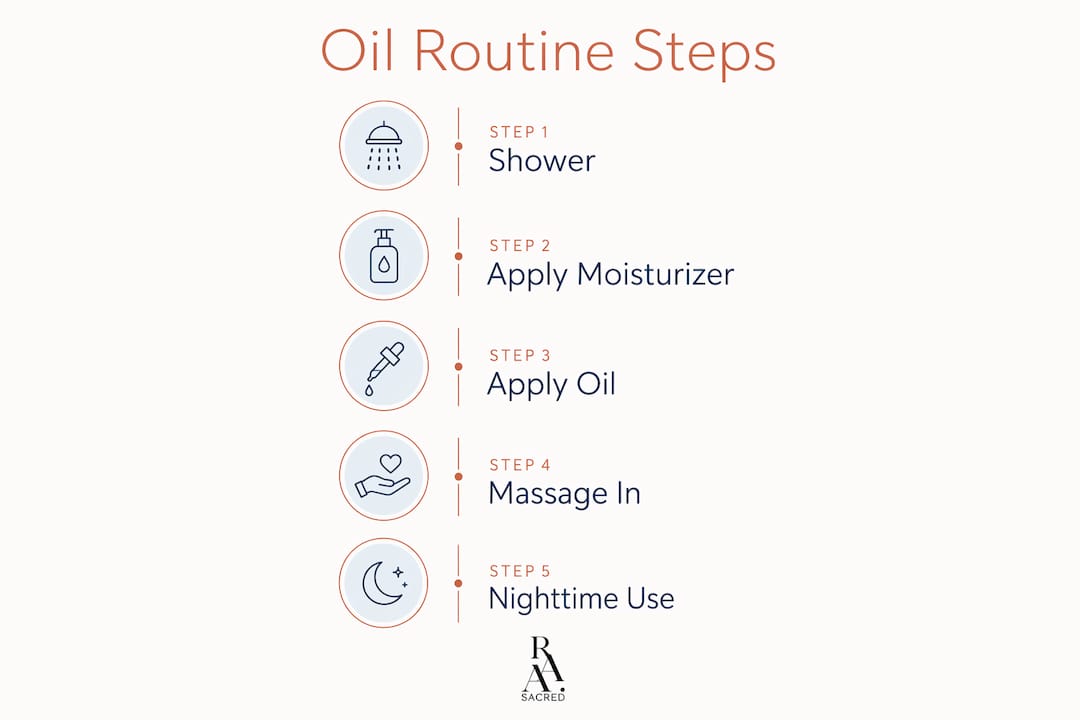
Follow these steps in order. Skipping even one, especially the damp-skin rule, noticeably reduces results.
-
Cleanse gently. Use a mild, unscented body wash. Harsh soaps strip the skin’s natural lipids, which is the opposite of what you’re trying to accomplish. Gentle cleansing preserves the oils your skin already has and primes it for better absorption.
-
Pat dry, not bone dry. Leave your skin slightly damp after toweling off. This is the step most people skip, and it’s the one that matters most.
-
Warm the oil in your palms. Dispense a few drops into clean hands and rub them together. Warmed oil spreads more evenly and absorbs faster than cold oil pressed directly onto skin.
-
Massage in upward, circular motions. Work from your feet upward, spending extra time on dry-prone spots like elbows, knees, shins, and heels. The circular motion encourages absorption rather than just surface coverage.
-
Layer with a moisturizer if needed. For very dry skin, apply a lightweight lotion first, then seal it with body oil. The lotion delivers water-based hydration; the oil locks it in. Using both together consistently outperforms either product used alone.
-
Wait before dressing. Give the oil at least a few minutes to absorb. Putting on clothes too soon transfers oil to fabric and leaves skin under-nourished.
-
Frequency. Once daily after your shower covers most people. If your skin is very dry or you’re dealing with flaking, twice daily works well.
Why body oils complement moisturizers but can’t replace them
Body oils are occlusives. They prevent transepidermal water loss by forming a seal over the skin’s surface, but they don’t add water to skin. That distinction is the reason oils and moisturizers need each other.
Moisturizers, particularly those containing humectants like glycerin or hyaluronic acid, pull water into the skin. Oils then trap that water in place. Skip the moisturizer and apply only oil, and you’re sealing in whatever dryness was already there. Skin may feel temporarily soft, then drier than before.
The layering order that aestheticians consistently recommend: moisturizer first, body oil second. The moisturizer delivers hydration; the oil creates the barrier that holds it. Understanding why layering order matters is what separates a routine that works from one that just feels like effort.
Different skin types do benefit from adjusting this approach. Mildly dry skin often does fine with oil alone on damp skin post-shower. Severely dry or eczema-prone skin almost always needs the moisturizer-first method to see real improvement.
Expert tips for getting the most out of your body oils
Apply at night when your skin is actively repairing itself. Skin cell turnover peaks during sleep, which is why nighttime oil application tends to produce noticeably better results than morning-only use. You wake up to softer, more hydrated skin because the oil had uninterrupted hours to work alongside your body’s natural repair cycle.
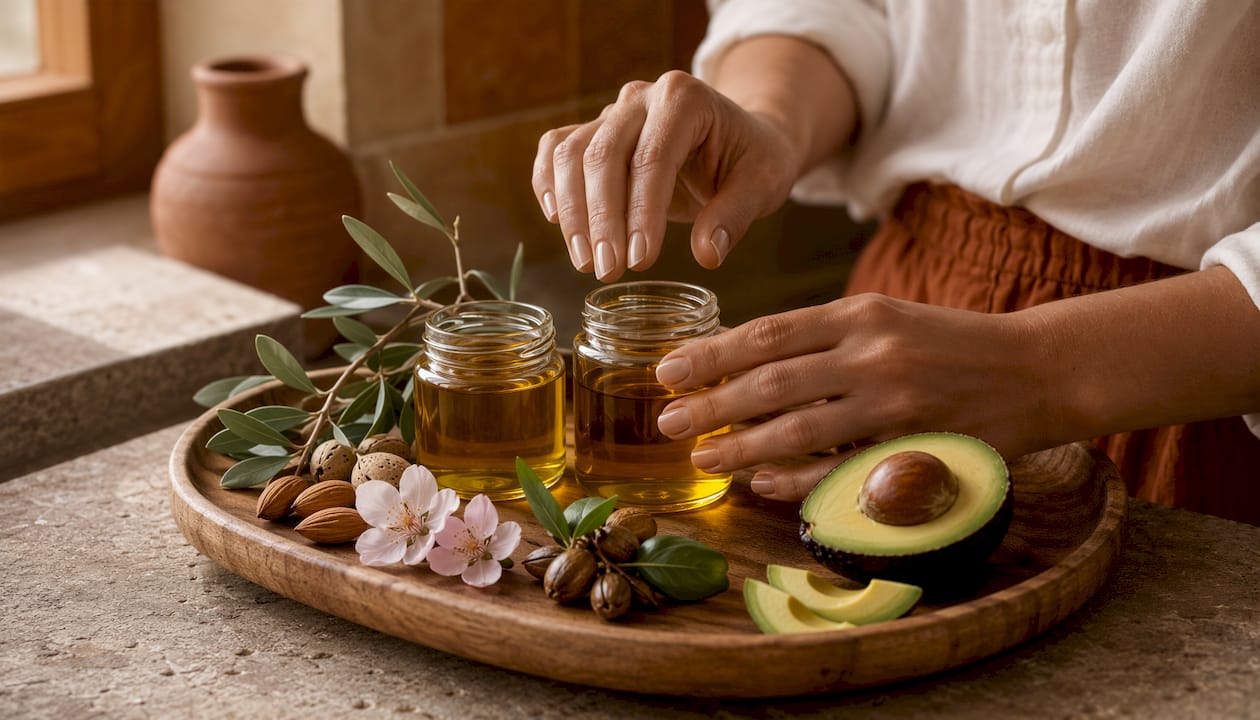
Match the oil to your dryness type. Almond oil suits severely dry or cracked skin; jojoba works well for sensitive or reactive skin because its wax-ester structure closely mimics the skin’s own sebum; rosehip oil addresses dry skin with uneven tone or early signs of aging. Choosing the wrong oil for your skin type often explains why someone tries body oil and feels disappointed.
Always patch test a new oil. Apply a small amount to your inner forearm and wait 24 hours before using it all over. Even natural, cold-pressed oils can trigger irritation in sensitive individuals. This step takes almost no time and prevents a lot of discomfort.
Choose cold-pressed, organic formulas. Cold-pressed, organic oils support skin barrier repair, reduce inflammation, and deliver a natural glow without greasiness. Processing methods matter because heat-extracted oils lose many of the fatty acids and antioxidants that make them effective.
Pro Tip: Adjust your oil’s richness seasonally. In winter, switch to heavier oils like avocado or almond that provide deeper occlusion against cold, dry air. In summer, lighter options like jojoba or grapeseed absorb faster and feel more comfortable in humidity.
If you have eczema-prone skin, consult a dermatologist before building a new oil routine. Some oils that work beautifully for standard dry skin can aggravate compromised or reactive skin barriers. A professional can identify which carrier oils are appropriate and which to avoid.
Raasacred botanical body oils for your daily ritual
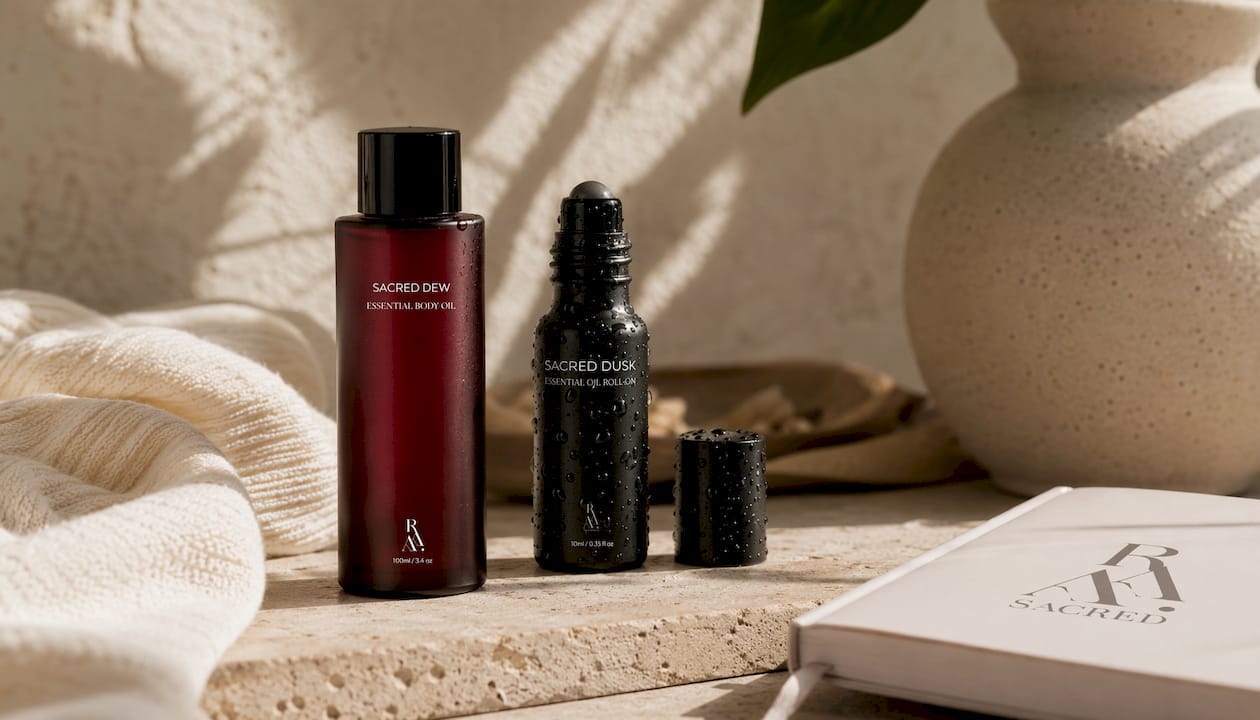
Raasacred formulates its botanical body oils specifically for the kind of routine described here: applied to damp skin, layered with hydration, and used consistently as a daily ritual rather than an occasional treatment. Every formula uses 100% pure essential oils blended with carefully selected carrier oils, cold-pressed and non-greasy, so they absorb without leaving residue on your clothes or skin.
The Sacred Dew body oil is built for nourishing dry skin daily, while the Sacred Dusk roll-on makes targeted application to dry-prone areas like elbows and heels effortless. Raasacred’s fragrance layering body oils also let you combine scent and skin care in a single step, which aestheticians often recommend for building a ritual that you’ll actually stick to. For those drawn to plant-based formulas, the botanical body oils collection covers a range of skin needs from mild dryness to more intense barrier repair.
Key Takeaways
A dry skin body oil routine works best when oil is applied on damp skin immediately after showering, layered with a moisturizer, and used daily to support the skin’s natural repair cycle.
| Point | Details |
|---|---|
| Timing is everything | Apply body oil promptly after showering while skin is still damp to lock in moisture effectively. |
| Oils seal, moisturizers hydrate | Moisturizers add water to skin; body oils trap it in. Use both together for real results. |
| Match oil to skin type | Almond for severely dry skin, jojoba for sensitive skin, rosehip for dry skin with uneven tone. |
| Night use amplifies results | Skin cell turnover peaks during sleep, making nighttime application the most effective window. |
| Raasacred for daily rituals | Sacred Dew and the botanical body oils collection deliver cold-pressed, non-greasy formulas designed for consistent daily use. |