

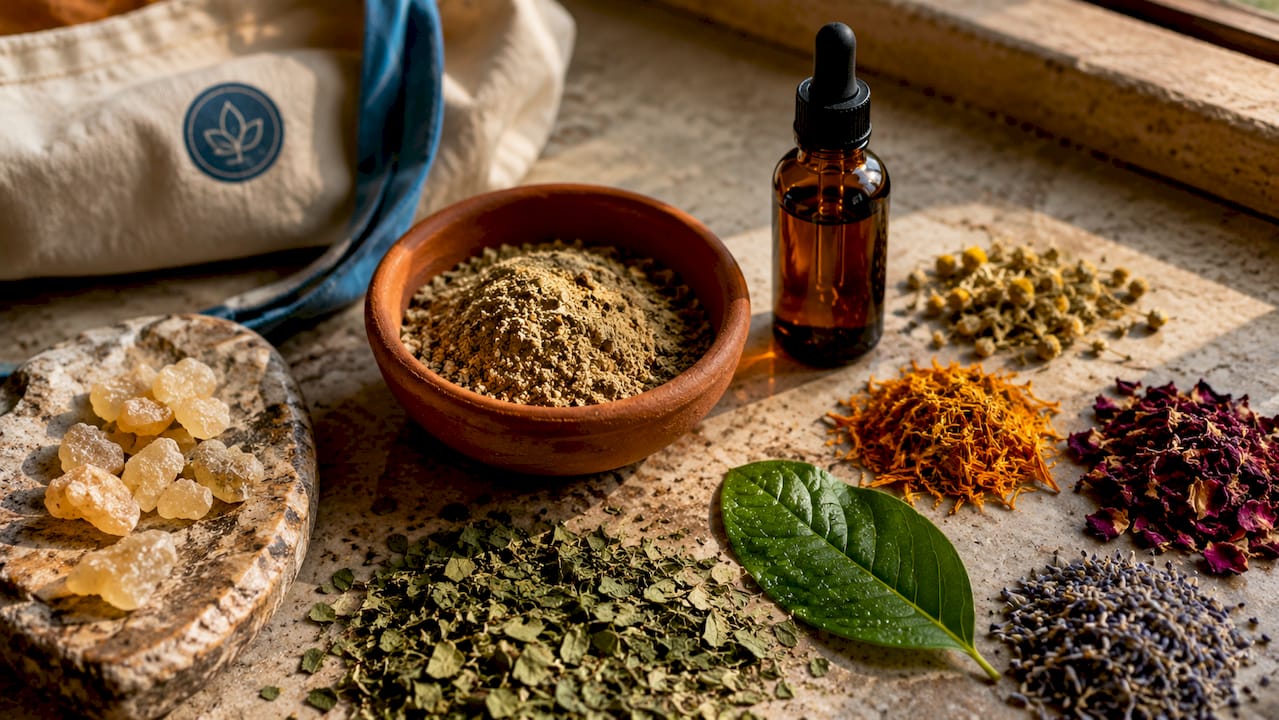
Herbs are defined as plant-based sources of bioactive compounds that protect, repair, and nourish the skin through antioxidant, anti-inflammatory, and antimicrobial action. The role of herbs in natural skin care goes far beyond fragrance or tradition. Phytochemicals like flavonoids, tannins, and boswellic acids work at the cellular level to reduce inflammation, support collagen, and fight bacteria. The global natural topical therapeutics segment is growing at an 8.5% CAGR compared to 4.2% for synthetic alternatives. That gap reflects a real shift in how people approach skin health, not just a trend. Raasacred builds its entire botanical body care line on this foundation, combining pure plant actives with carrier oils designed for daily use.
What is the role of herbs in natural skin care?
Herbs deliver skin benefits through specific chemical compounds, not through vague “natural” properties. This distinction matters because it separates effective plant-based skin care from marketing noise. When you understand which compounds do what, you can choose products and preparations with real confidence.
Key bioactive compounds and what they do
The most clinically relevant phytochemicals in herbal skin care fall into five categories:
- Flavonoids (found in chamomile, green tea, calendula): neutralize free radicals, reduce UV-induced inflammation, and slow collagen breakdown
- Saponins (found in licorice root, soap wort): gently cleanse pores and stimulate skin cell renewal
- Tannins (found in witch hazel, oak bark): tighten pores, reduce excess sebum, and create a mild antimicrobial barrier
- Alkaloids and boswellic acids (found in Boswellia serrata): modulate multiple inflammatory pathways simultaneously, which single-molecule pharmaceuticals cannot replicate
- Phenolic acids (found in Moringa oleifera, rosehip): protect against oxidative stress and support even skin tone
Boswellia serrata and Moringa oleifera are particularly well-studied. Both herbs contain compounds that address inflammation and microbial imbalance at the same time. That dual action makes them especially useful for complex skin concerns like rosacea or adult acne, where the root cause is often mixed.
Herbs also support structural skin health. Flavonoids inhibit enzymes that break down collagen and elastin. Regular use of flavonoid-rich preparations can visibly improve skin firmness over time. This is why plant-based skin care, when formulated correctly, produces results that go beyond surface hydration.
How do herbal and synthetic skin care products compare?
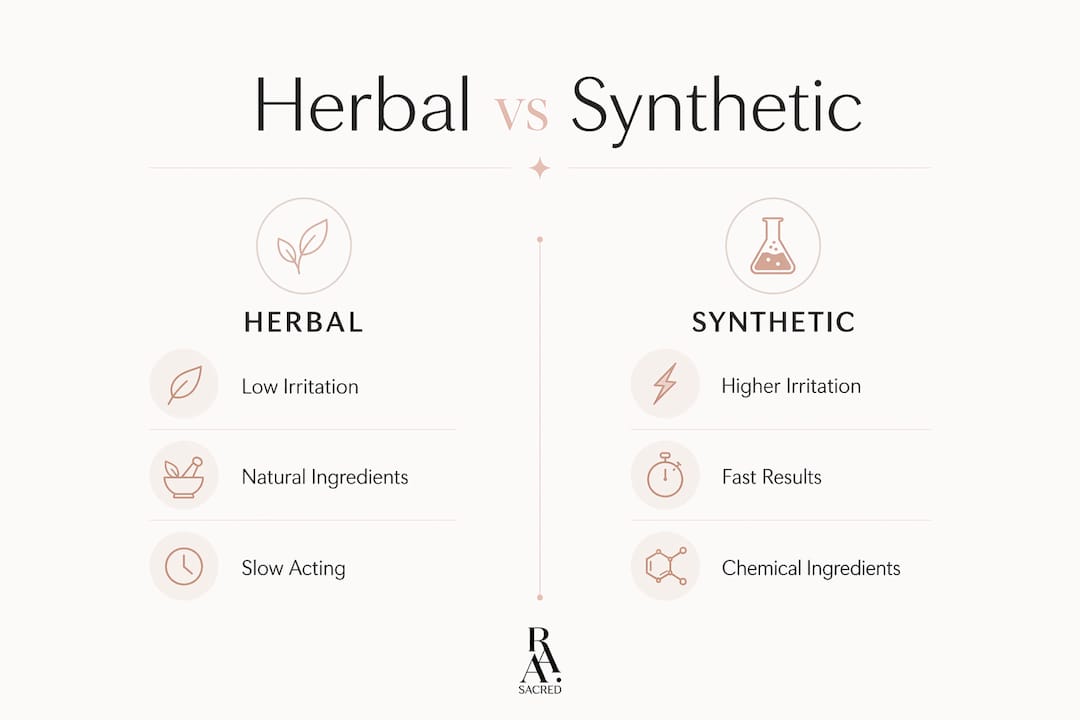
The evidence favors herbal formulations for tolerability, and synthetic formulations for speed. Neither category wins outright. The smarter question is which approach fits your skin’s specific needs.
Efficacy and irritation rates
5% tea tree oil formulations reduce acne lesions by 45–60% while causing 3–5 times less skin irritation than synthetic treatments. That is a meaningful clinical difference for anyone with sensitive skin. Herbal preparations overall show a 4% irritation rate compared to 21% for benzoyl peroxide. Lower irritation means fewer people discontinue treatment, which translates to better real-world outcomes.
| Feature | Herbal formulations | Synthetic formulations |
|---|---|---|
| Irritation rate | ~4% | ~21% (benzoyl peroxide) |
| Mechanism | Multi-pathway, broad-spectrum | Single-target, precise |
| Speed of results | Gradual (weeks to months) | Often faster (days to weeks) |
| Long-term safety profile | Generally favorable | Varies by ingredient |
| Adulteration risk | Present in unregulated products | Lower in regulated markets |
Synthetic formulations often act faster because they deliver one concentrated active at a high dose. Herbal formulations work more gradually because their actives are present at lower concentrations and work across multiple pathways. For chronic skin conditions, that slower, broader action is often more sustainable.
Stat to know: The natural topical therapeutics market grows at twice the rate of the synthetic segment. Consumer behavior is already reflecting what the clinical data supports.
Pro Tip: When switching from a synthetic treatment to a herbal alternative, allow at least six weeks before evaluating results. Herbal actives build cumulative effects rather than delivering an immediate spike.
Natural ointment bases like beeswax and shea butter do more than carry active ingredients. They restore the skin barrier and provide hydration independently, reducing the systemic toxicity risks that come with prolonged use of synthetic topical. The base itself becomes part of the treatment.
How do you make herb-infused skin care treatments at home?
Home preparation of herbal skin care is practical and effective when you follow the right method. The most common mistake is rushing the infusion process or using the wrong herb form.
- Choose dried herbs over fresh. Fresh, water-rich herbs introduce moisture into oil-based preparations, which promotes mold growth. Dried herbs produce a stable, long-lasting infusion.
- Use a low-heat, slow infusion method. A slow cooker set to its lowest temperature extracts plant compounds into a fat base over 4–12 hours. Higher heat degrades heat-sensitive flavonoids and phenolic acids.
- Select the right carrier. Olive oil works well for general skin nourishment. Tallow is a traditional carrier with a fatty acid profile close to human sebum, making it highly compatible with most skin types. Beeswax and shea butter improve penetration of active phytochemicals when used as a base.
- Strain thoroughly. Any plant material left in the finished product can harbor bacteria. Use cheesecloth or a fine mesh strainer and press the herbs to extract all infused oil.
- Store correctly. Keep finished balms in dark glass jars away from heat and light. A properly made herb-infused tallow balm lasts 6–12 months under these conditions.
Popular herbal blends for home preparation include calendula and lavender for soothing dry or irritated skin, chamomile and green tea for antioxidant protection, and comfrey with rosehip for supporting skin repair. Each combination targets a different skin function, so matching the blend to your skin’s current needs produces the best results.
Pro Tip: Label every batch with the date and herb combination. Herbal infusions look similar once finished, and tracking your batches helps you identify which blends work best for your skin over time.
If you want to go deeper on personalizing your own blends, Raasacred’s guide to crafting personalized oil blends covers the process in practical detail.
What safety practices should you follow with herbal skin care?
Herbal skin care carries real risks when products are unregulated or improperly prepared. Knowing where those risks come from helps you avoid them.
- Adulteration is a documented problem. Up to 20% of herbal creams on the market contain undisclosed synthetic steroids or heavy metals. This is most common in products sold through unverified online channels or without clear ingredient labeling.
- Patch test before full application. Even natural ingredients cause allergic reactions in some people. Apply a small amount to the inner forearm and wait 24 hours before using a new product on your face or body.
- Look for third-party testing. Reputable brands publish certificates of analysis from independent labs. These confirm that what is on the label matches what is in the product and that contaminants are absent.
- Check sourcing transparency. Brands that name their ingredient origins and suppliers are far less likely to cut corners on quality. Vague “natural extract” labeling is a warning sign.
- Understand regulatory gaps. Herbal cosmetics face less stringent pre-market approval requirements than pharmaceuticals in most markets. Consumer vigilance fills the gap that regulation does not.
The organic ingredients used in a product matter as much as the herbs themselves. Contaminated carrier oils or synthetic preservatives can undermine the benefits of even the best herbal actives. Raasacred addresses this by using 100% pure essential oils and clearly identified carrier oils in every formula.
Key Takeaways
Herbs deliver clinically measurable skin benefits through specific bioactive compounds, and choosing well-sourced, third-party tested formulations is the single most important factor in getting those benefits safely.
| Point | Details |
|---|---|
| Bioactive compounds drive results | Flavonoids, tannins, and boswellic acids each target specific skin functions like inflammation and collagen support. |
| Herbal formulations are better tolerated | A 4% irritation rate versus 21% for benzoyl peroxide makes herbal options more sustainable for sensitive skin. |
| Dried herbs are safer for home use | Fresh herbs introduce moisture that promotes mold; dried herbs produce stable infusions lasting up to 12 months. |
| Adulteration is a real risk | Up to 20% of unregulated herbal creams contain hidden synthetic agents; always choose third-party tested products. |
| Natural bases do double duty | Carriers like beeswax and shea butter hydrate and restore the skin barrier while delivering herbal actives. |
What I’ve learned from years of watching herbal skin care evolve
The most persistent myth in this space is that “natural” automatically means safe and “synthetic” automatically means harmful. Neither is true, and holding onto that binary thinking leads people to make poor product choices in both directions.
What I find genuinely exciting is the emerging research on hybrid formulations. Nanotechnology-assisted delivery of herbal extracts addresses the two biggest limitations of traditional plant-based skin care: stability and bioavailability. Herbal actives are notoriously fragile. They degrade with heat, light, and time. Encapsulating them in lipid nanoparticles protects the active compound until it reaches the skin, which means you get the full benefit of the herb rather than a degraded fraction of it.
The practical takeaway for anyone building a natural skin care routine today is this: the quality of your sourcing matters more than the length of your ingredient list. One well-sourced, standardized herbal oil used consistently outperforms a shelf full of poorly formulated “botanical” products. I’ve seen this pattern repeat across every category, from facial oils to body balms.
Realistic expectations also matter. Herbal skin care works cumulatively. The people who see the best results are those who commit to a consistent routine for at least two to three months before judging effectiveness. Patience is not a weakness here. It is the correct strategy.
— Val
Raasacred botanical skin care: where herbal science meets daily ritual
Raasacred formulates every product at the intersection of traditional botanical knowledge and modern skin science. Each blend uses 100% pure essential oils paired with carrier oils chosen for their specific skin benefits, not just their texture or fragrance.
The Sacred Bloom skin layering oil is a strong starting point for anyone moving toward plant-based skin care. It combines botanical extracts with a non-greasy carrier base designed for daily layering, making it practical for real routines rather than occasional use. For a broader look at what Raasacred offers, the full botanical body oils collection covers skin nourishment across different needs and skin types. Every product in the range is formulated with the same commitment to transparent sourcing and genuine herbal efficacy.
FAQ
What active compounds in herbs benefit the skin most?
Flavonoids, tannins, boswellic acids, and phenolic acids are the most clinically studied. They reduce inflammation, support collagen, and fight bacteria through multiple pathways simultaneously.
Are herbal skin care products safer than synthetic ones?
Herbal formulations show a 4% irritation rate compared to 21% for synthetic treatments like benzoyl peroxide, making them better tolerated for most skin types. However, unregulated herbal products carry adulteration risks that regulated synthetics do not.
How long do homemade herbal skin care preparations last?
A properly made herb-infused balm using dried herbs and a stable fat base lasts 6–12 months when stored in a dark glass jar away from heat and light.
How do I know if an herbal skin care product is trustworthy?
Look for third-party testing certificates, named ingredient origins, and clear labeling. Up to 20% of unregulated herbal creams contain undisclosed synthetic agents, so sourcing transparency is non-negotiable.
Can I use herbal skin care alongside my existing routine?
Yes. Introduce one new herbal product at a time and patch test before full application. Allow at least six weeks to assess cumulative effects before adding or removing products.