

Body aromatherapy application is the intentional topical use of diluted essential oils through massage, moisturizing, or bath rituals to support physical and emotional well-being. The practice works through two simultaneous pathways: dermal absorption and olfactory stimulation, engaging both the skin’s lipid layers and the brain’s limbic system. Understanding what is body aromatherapy application gives you a clear framework for building a personal wellness routine that goes well beyond scented lotion. Raasacred formulates its botanical body oils specifically around these two pathways, combining pure essential oils with carrier oils for daily ritual use.
What is body aromatherapy application and how does it work?
Body aromatherapy application is defined as the topical use of diluted essential oils applied to the skin through massage, bathing, or moisturizing to support well-being. The industry term for this practice is “topical aromatherapy,” and it sits alongside inhalation and internal use as one of the three recognized delivery methods in complementary medicine. Most personal wellness routines focus exclusively on topical aromatherapy because it is the safest and most accessible form.
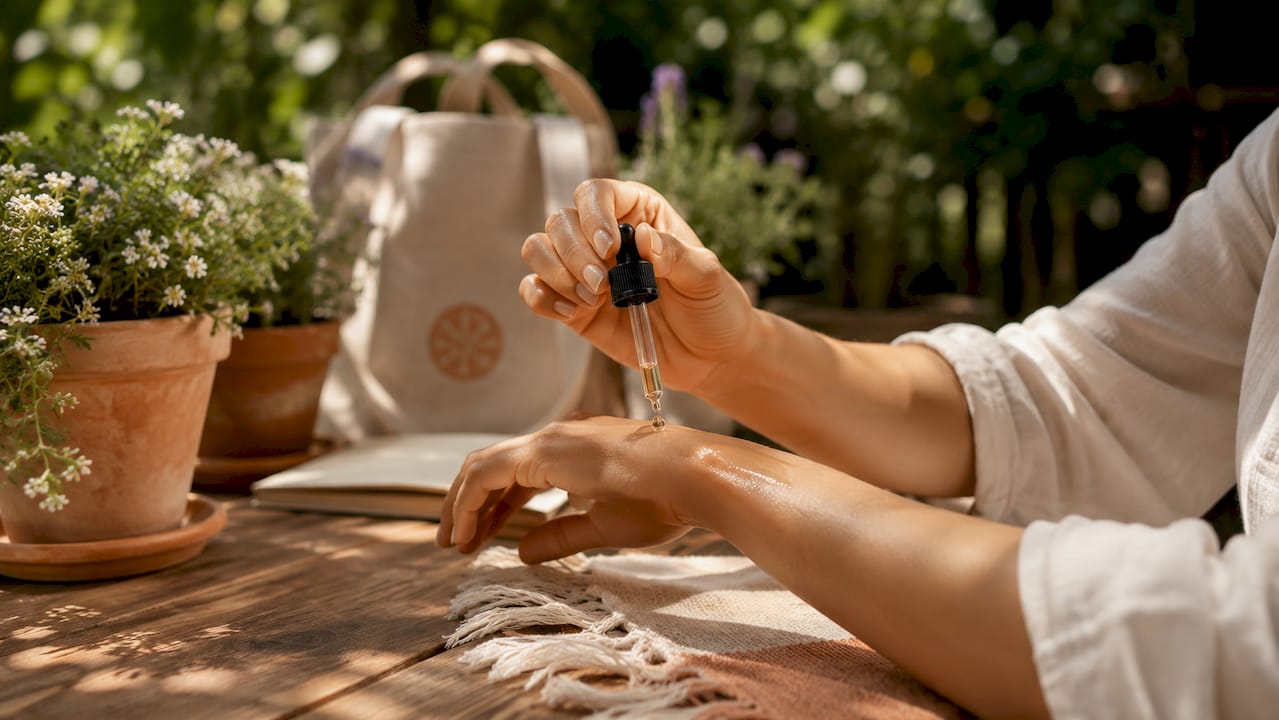
The mechanism is two-part. First, essential oil molecules penetrate the epidermis and enter the bloodstream, where they produce measurable physiological effects. Second, aromatic compounds released from the skin surface travel to the olfactory receptors, which send signals directly to the limbic system. The limbic system governs mood, memory, and stress response. Both pathways activate at the same time, which is why a well-formulated body oil can calm the mind and nourish the skin simultaneously.
The chemical classes responsible for these effects are terpenes and phenylpropanoids, complex plant-derived molecules synthesized through plant biosynthetic pathways. Lavender, for example, contains linalool, a terpene alcohol with documented sedative properties. Frankincense contains boswellic acids that support skin cell renewal. Knowing which molecules do what helps you choose oils with purpose rather than preference alone.
How are essential oils applied in body aromatherapy?
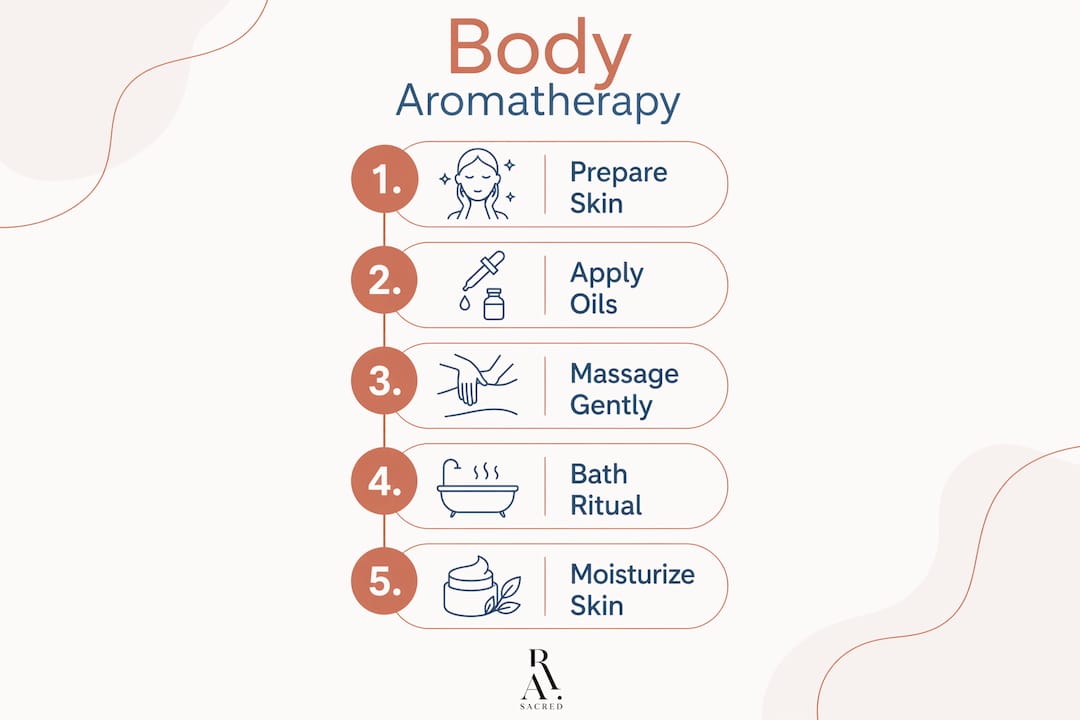
The three main types of aromatherapy application methods for the body are massage, bath rituals, and direct skin moisturizing. Each method delivers essential oils through the same two pathways but at different intensities and absorption rates.
Massage application
Massage is the most studied form of body aromatherapy. Massaging essential oils into the skin using circular or upward strokes from the heart enhances both absorption and circulation. The physical pressure of massage opens capillaries near the skin surface, accelerating dermal uptake. At the same time, the warmth generated by friction releases more aromatic compounds into the air, intensifying olfactory stimulation. Common oils used in massage blends include lavender for relaxation, eucalyptus for muscle relief, and rosemary for circulation support.
Bath rituals
A botanical body oil bath ritual delivers essential oils through warm water immersion, which softens the skin and opens pores for deeper absorption. Experts recommend adding 2–3 capfuls of essential oil blend to warm bath water, soaking for 15–20 minutes, and gently patting the skin dry afterward to seal in moisture. Never rub vigorously after an oil bath. Rubbing strips the oil film before it fully absorbs. Chamomile, ylang ylang, and bergamot are popular choices for bath rituals because they disperse well in water and have strong calming profiles.
Direct moisturizing
Applying a body oil directly after a shower is the simplest daily method. Damp skin post-shower absorbs oil more efficiently than completely dry skin because residual water helps carry oil molecules into the upper layers of the epidermis. This method works well for people who want the skin benefits of aromatherapy without a full massage or bath routine.
- Massage: best for muscle tension, circulation, and deep relaxation
- Bath ritual: best for full-body absorption, stress relief, and sleep preparation
- Post-shower moisturizing: best for daily skin nourishment and mood support
- Spot application: best for targeted relief on pulse points or sore areas
Pro Tip: Apply your body oil within 60 seconds of stepping out of the shower. That narrow window of damp skin dramatically increases how much oil your skin actually absorbs.
What are the benefits of body aromatherapy for skin and emotional health?
The benefits of body aromatherapy split cleanly into two categories: physical skin benefits and emotional or mental benefits. Both categories are supported by the same mechanism of phytoconstituent absorption.
Skin benefits
Carrier oils used to dilute essential oils bring their own skin benefits. Jojoba, sweet almond, and rosehip oils all deliver fatty acids and vitamins that improve skin elasticity and hydration. When combined with essential oils like frankincense or geranium, the blend supports cell turnover and soothes irritated or inflamed skin. Regular topical application builds a cumulative effect. Skin that receives daily oil application shows measurable improvements in texture and barrier function over weeks, not just hours.
Emotional and mental benefits
- Relaxation and stress reduction. Lavender and chamomile essential oils reduce cortisol response when absorbed through the skin and inhaled simultaneously.
- Anxiety reduction. Phytoconstituents reach the central nervous system through both skin absorption and inhalation, producing sedation and anxiety relief.
- Mood enhancement. Citrus oils like bergamot and sweet orange stimulate serotonin pathways through olfactory signaling.
- Improved sleep quality. Volatile components of essential oils reduce fatigue and promote deeper sleep when used consistently before bed.
- Reduced mental anguish from physical pain. Aromatherapy massage is used as a complementary therapy in clinical settings for anxiety control and improved mental status in patients managing chronic conditions.
“Anxiety-induced mental anguish can delay healing and weaken immunity. Aromatherapy addresses this directly by promoting relaxation and reducing the physiological stress response through both dermal and olfactory channels.”
The synergy between skin contact and scent is what separates body aromatherapy from simply smelling a diffuser. Touch activates the parasympathetic nervous system on its own. Add an essential oil with sedative terpenes, and the calming effect compounds. That is why a five-minute self-massage with a well-formulated body oil can shift your mental state more effectively than inhalation alone.
What are the safety guidelines for body aromatherapy application?
Safety in body aromatherapy comes down to one non-negotiable rule: never apply undiluted essential oils directly to skin. Beyond that, a few clear practices protect you and maximize results.
- Dilution ratios matter. Typical dilutions run 1–5%, with 1% recommended for sensitive skin, children, and elderly individuals. A 2% dilution is standard for most adult body applications. That translates to roughly 12 drops of essential oil per 30ml of carrier oil.
- Patch test before full application. Apply a small amount of your diluted blend to the inner forearm and wait 24 hours. Redness, itching, or swelling means the blend needs reformulation.
- Avoid photosensitive oils in sunlight. Citrus oils like bergamot and lemon cause photosensitivity. Apply them only at night or to areas covered by clothing.
- Respect contraindications. Pregnant individuals should avoid clary sage, rosemary, and juniper. People with epilepsy should avoid camphor and eucalyptus. Always check contraindications before using a new oil.
- Store oils correctly. Heat and light degrade essential oils quickly. Keep blends in dark glass bottles away from direct sunlight to preserve potency.
The essential oil blending ratios guide from Raasacred covers dilution calculations in plain language for anyone new to blending at home.
Pro Tip: If you are new to body aromatherapy, start with a pre-blended botanical body oil from a trusted brand. Pre-blended formulas take the dilution math out of the equation and reduce the risk of skin irritation from incorrect ratios.
How can you personalize your body aromatherapy routine?
Personalizing a body aromatherapy routine means matching your essential oil choices and application method to a specific wellness goal. The same carrier oil base can serve completely different purposes depending on which essential oils you blend into it.
- For relaxation and sleep: lavender, vetiver, sandalwood, and Roman chamomile applied through a pre-bed massage or bath ritual
- For energy and mental clarity: peppermint, rosemary, and lemon applied through a post-shower body oil on pulse points and the back of the neck
- For skin nourishment and glow: frankincense, geranium, and rosehip oil applied daily to damp skin after cleansing
- For muscle recovery: eucalyptus, black pepper, and ginger massaged into sore areas using upward circular strokes
- For mood support: bergamot, ylang ylang, and neroli in a bath ritual or applied to the chest and wrists
Raasacred’s personalizing your essential oil blend guide walks through how to layer top, middle, and base notes for a balanced blend that serves both scent and therapeutic purpose. The guide is particularly useful for people building their first home ritual.
Combining application with intentional breathing deepens the effect. Inhale slowly and deliberately while massaging oil into the skin. This conscious pairing of touch and breath activates both the parasympathetic nervous system and the olfactory pathway at the same time, producing a faster and more pronounced calming response than either practice alone. Examples of aromatherapy body rituals that incorporate breathwork include the Japanese practice of forest bathing adapted for indoor use, and the Ayurvedic self-massage ritual known as Abhyanga, which uses warm oil applied from head to foot in long, slow strokes.
Key Takeaways
Body aromatherapy application works through dermal absorption and olfactory stimulation acting together, making method, dilution, and oil selection the three factors that determine how effective your routine will be.
| Point | Details |
|---|---|
| Two-pathway mechanism | Essential oils work through skin absorption and scent simultaneously for compounded physical and emotional effects. |
| Dilution is non-negotiable | Use a 1–5% dilution ratio; 1% for sensitive skin, 2% as the standard adult starting point. |
| Method shapes the outcome | Massage targets circulation and tension; bath rituals maximize full-body absorption; post-shower application suits daily skin care. |
| Oil selection drives results | Match essential oils to your goal: lavender for sleep, peppermint for energy, frankincense for skin renewal. |
| Timing amplifies absorption | Apply body oil to damp skin within 60 seconds of showering to maximize how much the skin takes in. |
Why I think most people underuse body aromatherapy
Most people treat body oil as a finishing step, something applied quickly after a shower and forgotten. That approach captures maybe 20% of what body aromatherapy can actually do. The real value comes from slowing down long enough to let both pathways activate fully.
I have seen people spend significant money on the best aromatherapy products for home rituals and then apply them in 30 seconds flat while mentally running through their to-do list. The oil absorbs, but the olfactory and nervous system benefits barely register. The limbic system needs time and attention to respond. A five-minute intentional massage with slow breathing outperforms a 30-second rushed application every single time.
The other common misunderstanding is treating essential oils as interchangeable. Lavender and bergamot both smell pleasant, but they produce different physiological effects through different molecular pathways. Choosing an oil based on scent preference alone is like choosing a supplement based on the color of the bottle. The role of herbs in natural skin care is a useful starting point for understanding why specific botanicals do specific things.
My honest recommendation: pick one method, one blend, and one time of day. Do it consistently for two weeks before adding complexity. Consistency with a simple routine beats occasional use of an elaborate one.
— Val
Raasacred botanical body oils for your daily ritual
Raasacred formulates each body oil around the same two-pathway principle that makes body aromatherapy effective: pure essential oils for olfactory and physiological impact, and carefully selected carrier oils for deep skin nourishment. Every formula is non-greasy and designed for real daily use, not just occasional indulgence. The Sacred Bloom skin layering oil works equally well as a massage oil, a post-shower moisturizer, or a bath ritual addition. For those who want a broader selection, Raasacred’s full range of botanical body oils covers calming, energizing, and skin-focused blends suited to every wellness goal.
FAQ
What is body aromatherapy application?
Body aromatherapy application is the topical use of diluted essential oils through massage, bathing, or moisturizing to support physical and emotional well-being. It works through dermal absorption and olfactory stimulation acting simultaneously.
How many drops of essential oil go in a bath?
Experts recommend adding 2–3 capfuls, roughly 10ml, of essential oil blend to warm bath water and soaking for 15–20 minutes. Always dilute essential oils in a carrier oil before adding them to bath water to prevent skin irritation.
What dilution ratio is safe for body aromatherapy?
A 1–5% dilution is the standard range, with 1% for sensitive skin and 2% as the general adult starting point. That equals approximately 12 drops of essential oil per 30ml of carrier oil.
What are the best essential oils for relaxation?
Lavender, Roman chamomile, vetiver, and sandalwood are the most documented essential oils for relaxation. Their terpene compounds produce sedative effects through both skin absorption and olfactory signaling to the limbic system.
When is the best time to apply body aromatherapy oil?
Apply body oil immediately after a shower while skin is still damp. Damp skin absorbs oil more efficiently, and the warmth from the shower amplifies the release of aromatic compounds for stronger olfactory stimulation.