

Aromatherapy during bathing is defined as the therapeutic use of inhaled essential oil vapors and skin-absorbed aromatic compounds in a warm, steamy bath environment. The warm water does two things at once: it releases volatile aromatic molecules into the air you breathe, and it opens your pores to support gentle skin contact with properly diluted oils. Both pathways reach the brain’s limbic system, the region that governs mood, stress response, and memory. Understanding why aromatherapy works during bathing means understanding these two delivery routes and how to use them safely.
How essential oils interact with warm bathwater and steam
Essential oils are hydrophobic, meaning they repel water entirely. Drop lavender oil directly into a tub and it forms concentrated droplets that float on the surface. When you step in, those droplets cling to your skin and can cause severe dermal irritation because the oil never dispersed. This is the single most common mistake people make with bath aromatherapy, and it is entirely preventable.
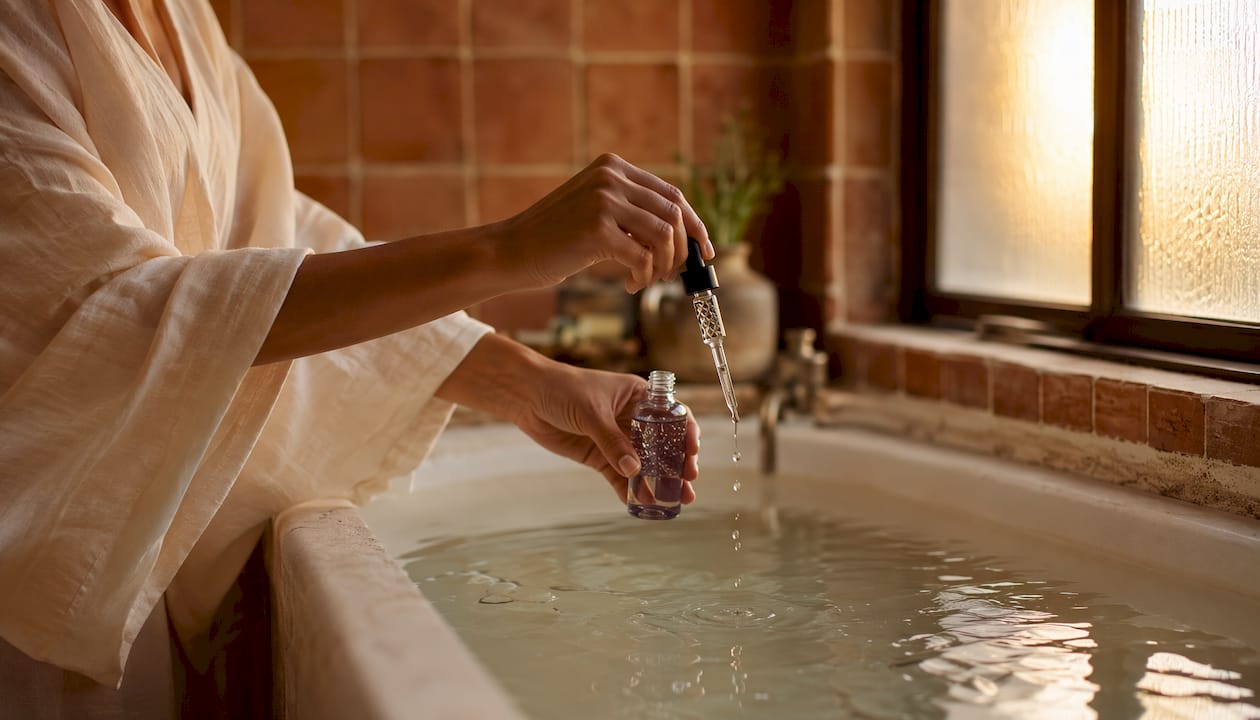
Warm water solves the vapor problem beautifully. Steam carries volatile aromatic compounds up and into the air, creating the inhalation environment that makes aromatherapy effective. Bath temperatures around 100–104°F hit the sweet spot: hot enough to volatilize essential oils steadily, cool enough to prevent rapid evaporation that would waste the aroma within minutes. Water hotter than 104°F burns off the most therapeutic compounds too fast and stresses the skin.
The fix for the hydrophobic problem is emulsification. Carrier oils, Epsom salts, and unscented liquid soap all act as dispersants that break essential oils into smaller particles and spread them evenly through the water. Bath salts specifically support even dispersion while also softening the water and preparing skin for absorption. The result is a bath where every inch of water carries a light, even concentration of aromatic compounds rather than dangerous hot spots.
- Carrier oils (jojoba, sweet almond, fractionated coconut) coat essential oil molecules and allow them to mix into water safely.
- Epsom salts absorb essential oils before dissolving, releasing them gradually as the salts break down.
- Unscented liquid soap acts as a surfactant, actively pulling oil into water suspension.
- Bath temperature should stay between 100°F and 104°F for optimal aroma release and skin comfort.
Pro Tip: Fill the tub completely before adding your oil blend. Adding oils to running water causes them to evaporate before you even step in.
Why dilution rules matter more than you think
Dilution is not optional in bath aromatherapy. It is the line between a therapeutic soak and a chemical burn. Essential oils’ hydrophobic nature creates concentrated “hot spots” on the water’s surface that can cause burns on contact with skin. Proper dilution eliminates those hot spots entirely.
The safe protocol is straightforward:
- Choose your carrier. Use 1 tablespoon of carrier oil, half a cup of Epsom salts, or a small amount of unscented liquid soap as your dispersant.
- Measure your essential oil. Mix 5–10 drops of essential oil into your chosen carrier before touching the bathwater. Never add undiluted oil directly to the tub.
- Add the blend at the right moment. Drop the mixture into a full tub immediately before you step in. Adding it too early lets volatile aromas escape into the room before you benefit from them.
- Avoid “hot” oils entirely. Cinnamon, clove, oregano, and peppermint are contraindicated in baths because warm water increases skin absorption and these oils carry high dermal toxicity. The sensation ranges from uncomfortable burning to genuine chemical irritation.
- Ventilate the bathroom. Crack a window or run the exhaust fan. Concentrated steam in a sealed room can cause respiratory irritation, especially with eucalyptus or camphor oils.
Safe dilution for full-body immersion sits at 0.5% to 1%, which equals 6–10 drops total in a standard bathtub. That number feels small. Most people’s instinct is to add more, assuming a stronger scent means stronger benefits. It does not. Using excessive essential oil increases irritation risk without adding therapeutic value. The limbic system responds to trace concentrations of aromatic molecules, not high doses.
Pro Tip: If you have sensitive skin, start with 4–5 drops in a full tablespoon of jojoba oil. Jojoba closely mimics skin’s natural sebum, making it the gentlest carrier for bath use.
What actually happens in your body during an aromatherapy bath
The physiological effects of an aromatherapy bath run deeper than relaxation. Two systems activate simultaneously: the olfactory system and the skin’s absorption pathway.
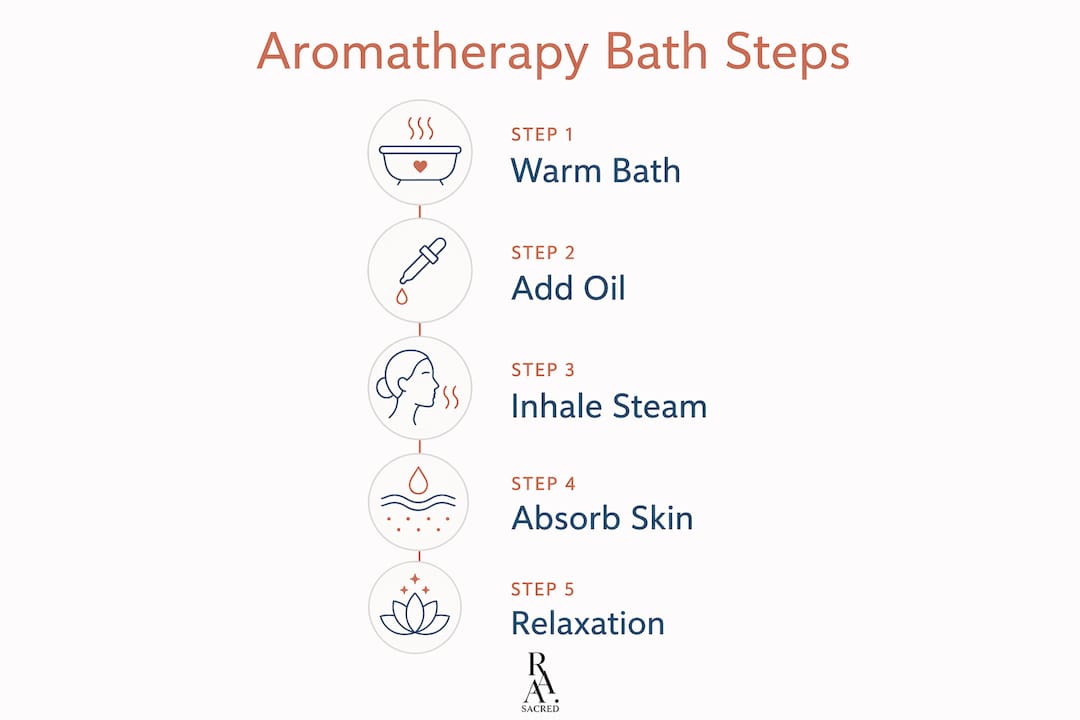
When you inhale aromatic steam, scent molecules travel through the nasal cavity and bind to olfactory receptors. Those receptors send signals directly to the limbic system, which includes the amygdala and hippocampus. Aromatherapy lowers cortisol and promotes calming brain states by triggering this pathway. Cortisol is the body’s primary stress hormone, and reducing it during a bath creates measurable shifts in how relaxed and mentally clear you feel afterward.
The warm water itself contributes independently of the oils. Heat relaxes muscle tissue, improves peripheral circulation, and signals the parasympathetic nervous system to shift the body out of fight-or-flight mode. Combined with aromatic inhalation, the two effects reinforce each other in a way that neither achieves alone.
| Essential oil | Primary benefit | Best carrier pairing |
|---|---|---|
| Lavender | Calming, sleep support | Jojoba or sweet almond oil |
| Chamomile | Anxiety reduction | Epsom salts |
| Eucalyptus | Respiratory clarity | Unscented liquid soap |
| Frankincense | Grounding, mood balance | Fractionated coconut oil |
| Ylang ylang | Stress relief | Sweet almond oil |
Carrier oils like jojoba and almond do more than dilute. They nourish and protect the skin barrier during the soak, preventing the dryness that hot water alone can cause. For people interested in body aromatherapy application, the bath is one of the most efficient delivery methods because it combines inhalation and skin contact simultaneously.
Best practices for your aromatherapy bath routine
Getting the most from a scented bath comes down to a few consistent habits. The chemistry is straightforward once you build the routine around it.
- Blend before the bath. Mix your essential oils into your carrier oil or Epsom salts at least five minutes before the bath is ready. This lets the oils absorb into the carrier fully.
- Add the blend last. Add the mixture just before entering a full tub to preserve the volatile aromatics. Timing directly affects how much therapeutic vapor you actually inhale.
- Limit your soak to 10–15 minutes. Longer soaks in warm water can cause lightheadedness, especially when aromatic compounds are present. Set a timer and step out before you feel overheated.
- Choose oils by intention. Lavender and chamomile suit evening baths aimed at sleep. Eucalyptus and rosemary work better for morning baths when you want mental clarity. Frankincense and ylang ylang fit a midday reset.
- Watch the floor. Carrier oils make tub surfaces slippery. Place a non-slip mat inside the tub before adding any oil blend to the water.
- Follow up with topical care. After patting dry, apply a skin layering oil while skin is still slightly damp. This seals in moisture and extends the aromatic effect beyond the bath itself.
For people building a longer wellness practice, pairing bath aromatherapy with floral essential oils adds variety and targets different emotional states across the week. Rose and jasmine support mood on difficult days. Neroli calms nervous tension before sleep.
Key Takeaways
Aromatherapy works during bathing because warm steam delivers essential oil vapors directly to the olfactory system while properly diluted carrier blends allow safe skin contact, together reducing cortisol and supporting deep relaxation.
| Point | Details |
|---|---|
| Dilution is non-negotiable | Mix 6–10 drops of essential oil into a carrier before adding to bathwater to prevent skin irritation. |
| Temperature controls vapor release | Keep bath water between 100°F and 104°F for steady aroma release without burning off volatile compounds. |
| Timing preserves aromatics | Add your oil blend to a full tub immediately before stepping in to maximize inhalation benefits. |
| Avoid “hot” oils in baths | Cinnamon, clove, and oregano cause dermal irritation in warm water and should never be used in a bath. |
| Inhalation reaches the limbic system | Aromatic steam lowers cortisol and activates calming brain states through the olfactory-limbic pathway. |
The part most guides skip entirely
People ask me all the time why their aromatherapy baths feel underwhelming. Nine times out of ten, the answer is not the oil they chose. It is the sequence. They add the oil to running water, wait 20 minutes for the tub to fill, and then soak in a bath where most of the volatile compounds have already evaporated into an empty room. By the time they step in, they are getting warm water with a faint memory of lavender.
The second mistake I see constantly is the “more is better” logic. Someone tries five drops of lavender, feels relaxed, and decides ten drops must be twice as good. What actually happens is their skin gets irritated, they blame the oil, and they write off bath aromatherapy entirely. The limbic system is extraordinarily sensitive. It responds to trace amounts of aromatic molecules. Flooding the bath with undiluted oil does not deepen the effect. It just creates a problem.
What I find genuinely interesting about bath aromatherapy is how much the ritual itself contributes to the outcome. The act of preparing the blend, choosing the oil intentionally, and setting a 15-minute window creates a psychological cue that tells your nervous system to downshift. The oils accelerate that process, but the mindful structure around the bath matters just as much. Aromatherapy combined with mindful bathing enhances mental well-being beyond what the oils achieve on their own.
My honest advice: start simpler than you think you need to. Four drops of lavender in a tablespoon of jojoba oil, a full tub at 102°F, and 12 minutes with the door closed. That combination, done consistently, outperforms an elaborate blend used carelessly every time.
— Val
Raasacred’s Sacred Bloom pairs naturally with your bath ritual
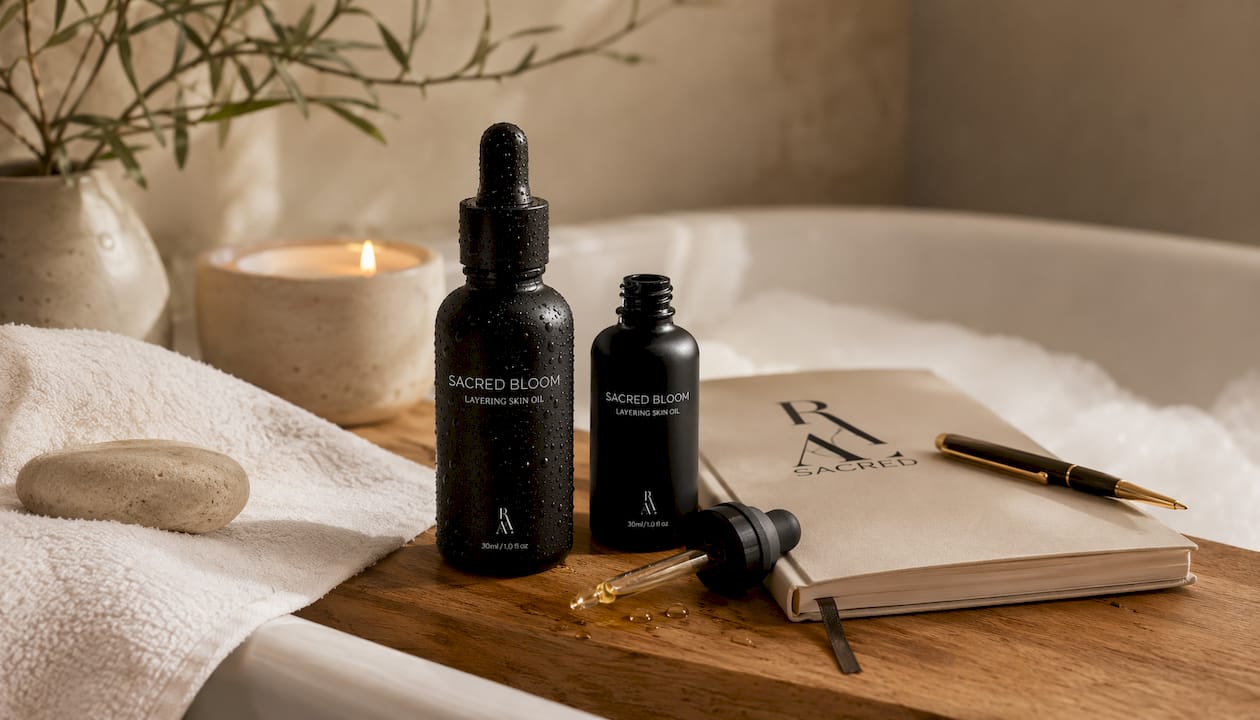
A bath ritual does not end when you step out of the tub. Skin is warm, pores are open, and absorption is at its peak in the minutes after you dry off. Raasacred’s Sacred Bloom skin layering oil is formulated specifically for this moment. It combines 100% pure essential oils with botanical carrier oils in a non-greasy blend that absorbs quickly and extends the calming aromatic effect of your bath. Applied to slightly damp skin, it seals in moisture while continuing the sensory experience you built in the water. For anyone building a consistent wellness ritual, Sacred Bloom turns a 15-minute bath into a full-body practice.
FAQ
Why can’t I add essential oils directly to bathwater?
Essential oils are hydrophobic and form concentrated droplets on water that cling to skin and cause irritation or chemical burns. Always mix them into a carrier oil, Epsom salts, or unscented soap first.
How many drops of essential oil are safe in a bath?
The safe range is 6–10 drops total per bath, mixed into a carrier before adding to the tub. This keeps the dilution at the recommended 0.5%–1% for full-body immersion.
What is the best bath temperature for aromatherapy?
A temperature between 100°F and 104°F releases essential oil vapors steadily without burning off the most therapeutic compounds or stressing the skin.
Which essential oils should I avoid in a bath?
Cinnamon, clove, oregano, and peppermint are contraindicated in baths because warm water increases skin absorption and these oils carry high dermal toxicity at bath concentrations.
How long should an aromatherapy bath last?
Limit soaks to 10–15 minutes. Longer exposure to warm water and aromatic compounds can cause lightheadedness and diminishes the therapeutic benefit of the session.