

Aromatherapy enhances beauty by doing something most skincare products can’t: it works from the inside out. When you inhale lavender or apply a diluted essential oil blend to your skin, you’re triggering a chain reaction that lowers cortisol, the stress hormone that directly disrupts your skin’s barrier function and lipid synthesis. Less cortisol means better moisture retention, reduced inflammation, and more balanced sebum production. That’s not wellness marketing. That’s measurable biology.
The dual mechanism is what makes aromatherapy genuinely different from a scented lotion. Inhalation activates the olfactory pathway, reaching the limbic system within seconds to shift your hormonal state. Topical application delivers bioactive compounds directly to skin cells. Both routes work simultaneously, and the skin benefits from both.
Here’s what that looks like in practice:
- Cortisol reduction improves the skin’s lipid barrier, cutting transepidermal water loss
- Aromatic esters like linalyl acetate in lavender reduce inflammation and support barrier repair
- Antioxidant phenolics, flavonoids, and terpenes in essential oils neutralize free radicals that accelerate aging
- Olfactory stimulation modulates the hypothalamic-pituitary-adrenal axis, creating a measurable neurocosmetic effect
- Consistent use builds what researchers call a “scent anchor,” reinforcing calm and skin-supportive habits over time
How aromatherapy works in the body and skin
Aromatherapy uses concentrated plant-derived aromatic compounds, essential oils, to influence both the nervous system and the skin directly. The olfactory pathway is the key. Unlike every other sensory system, smell bypasses the thalamus entirely and connects straight to the limbic system, including the amygdala and hippocampus. That’s why a single inhale of rose or eucalyptus can shift your emotional state within moments.
A clinical trial on essential oil massage found that a four-week program reduced salivary cortisol and increased plasma levels of brain-derived neurotrophic factor (BDNF), a protein linked to neuroprotection and stress resilience. The HPA axis, which governs your cortisol output, responded measurably to olfactory stimulation alone.
What’s less commonly discussed is that skin cells themselves carry olfactory receptors. These receptors respond to aromatic molecules applied topically, triggering cellular responses that include barrier repair and anti-inflammatory signaling. The Tisserand Institute describes essential oils as “functional fragrances” that bridge emotional well-being and direct dermatological support. That framing captures the dual mechanism precisely.
Key benefits of aromatherapy for beauty and skin health
The benefits aren’t vague. Each one connects to a specific biological pathway.
-
Cortisol reduction and skin barrier repair. High cortisol disrupts the epidermal lipids that hold moisture in and keep irritants out. A 2022 study linking cortisol and skin barrier health showed that lavender oil aromatherapy massage improved skin barrier function, hydration, and sebum balance in participants.
-
Reduced inflammation. Chronic low-grade inflammation is behind acne flares, rosacea, and eczema. Essential oils with documented anti-inflammatory action include lavender, chamomile, palmarosa, rose, and geranium, all of which work at concentrations well below skin irritation thresholds.
-
Antioxidant protection against aging. Reactive oxygen species (ROS) accumulation in the dermis is the primary driver of skin aging, accelerated by UV exposure and pollution. Aromatic plant extracts rich in flavonoids, phenolics, terpenes, and tannins counteract ROS-induced oxidative stress, slowing wrinkle formation and pigmentation.
-
Sebum balance for clearer skin. Tea tree oil regulates sebum production and kills acne-causing bacteria. A systematic review of essential oils in dermocosmetics found tea tree particularly effective for acne treatment across multiple clinical studies.
-
Collagen and elastin preservation. Coriander, immortelle (Helichrysum italicum), and turmeric essential oils either promote collagen formation or slow its depletion. Adding them to serums and creams addresses the structural loss that causes sagging and fine lines.
-
Hyperpigmentation reduction. Frankincense influences melanin production enzymes, and phenolic antioxidants in oils prevent post-inflammatory pigmentation by neutralizing the free radicals that trigger it. Consistent use can visibly even skin tone over weeks. Learn more about frankincense for skin and how it fits into a wellness blend.
-
Mood-driven skin improvement. Skin conditions like eczema and psoriasis have a documented psychological component and flare under stress. Calming the nervous system through aromatherapy creates a measurable downstream effect on skin behavior.
How to incorporate aromatherapy into your beauty and spa routine
Getting results from aromatherapy depends on how you use it, not just which oils you choose. Here’s what actually works:
- Dilute before applying topically. Pure essential oils applied undiluted can irritate or sensitize skin. A 1–2% dilution in a carrier oil like jojoba, rosehip, or sweet almond is the standard for facial use. Body applications can go slightly higher. Follow an essential oil topical application guide to get dilution ratios right from the start.
- Use a diffuser for inhalation benefits. Running a diffuser for 30–60 minutes in your space delivers consistent olfactory stimulation without skin contact. Lavender before bed, citrus in the morning.
- Layer oils with your skincare. Press a few drops of a diluted blend into damp skin after cleansing, before moisturizer. Damp skin absorbs oils more readily.
- Try a chest rub for sleep and calm. Applying a eucalyptus or lavender balm to your sternum at bedtime doubles as inhalation therapy and skin hydration overnight.
- Patch test every new oil. Apply a small amount to your inner forearm and wait 24 hours before using it on your face or body. Sensitive skin types should start with chamomile or calendula.
- Choose therapeutic-grade oils, not fragrance oils. Fragrance-only products contain synthetic compounds that smell similar but carry none of the bioactive properties. The distinction matters for real skin results.
Pro Tip: Build a scent anchor by using the same essential oil blend every time you do your skincare routine. Over time, simply smelling that scent will trigger the calm, focused state your skin benefits from, reinforcing both the emotional and physical effects.
Scientific insights: aromatherapy as a neurocosmetic and antioxidant ally
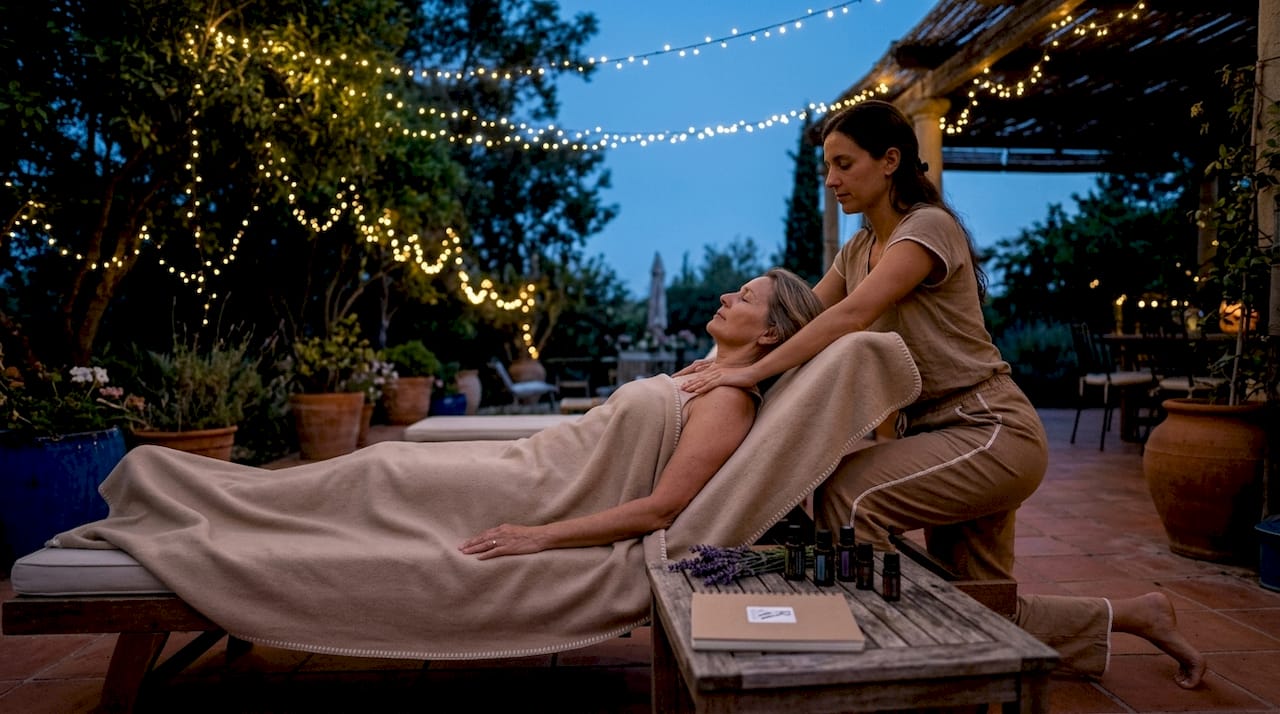
The term “neurocosmetic” describes products that act on the skin-brain axis, modulating both skin physiology and emotional state through neurosensory pathways. Aromatherapy fits this definition precisely, and the science behind it has grown considerably.
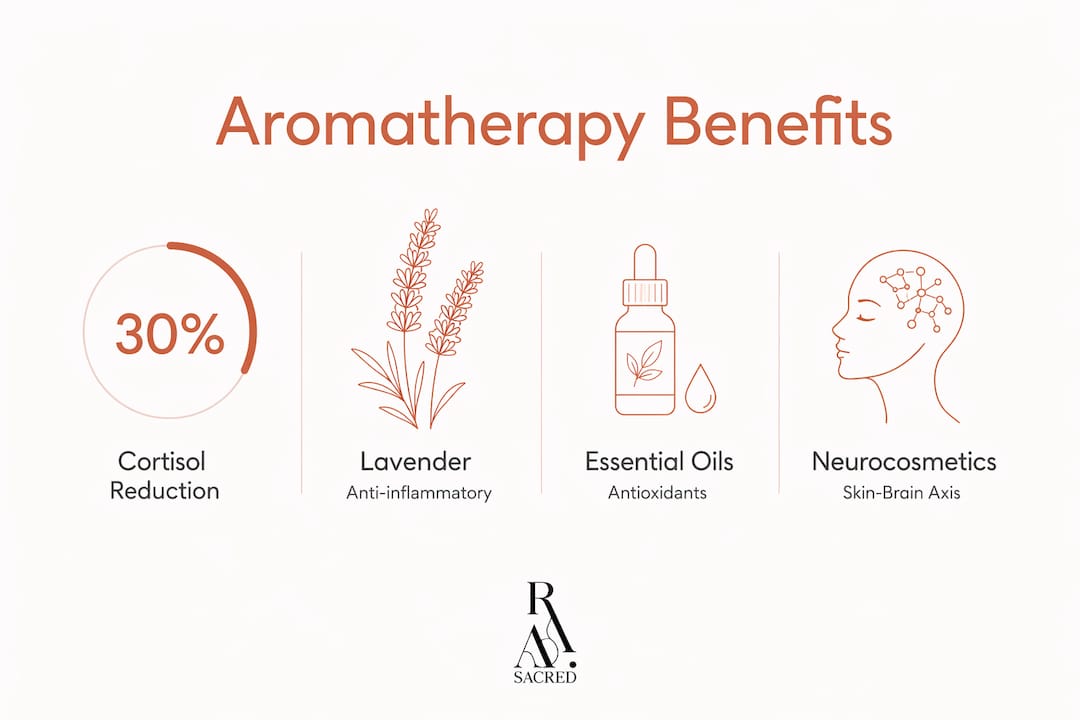
Linalyl acetate, the dominant ester in lavender oil, delivers both sedative and anti-inflammatory effects. It modulates cortisol output and supports barrier repair at the cellular level, going well beyond surface hydration. Frankincense, chamomile, and rose work through similar ester and terpene pathways.
On the antioxidant side, essential oil phenolics and flavonoids reduce oxidative stress in the dermis, offering a natural alternative to synthetic antioxidant agents. This matters because ROS accumulation is the primary mechanism of both chronological aging and photoaging.
One of the more exciting developments is delivery technology. Nanostructured lipid carriers (NLCs) encapsulate essential oils in particles small enough to penetrate deeper skin layers, protecting the oils from oxidation and volatility while improving bioavailability. The role of antioxidants in skincare is increasingly understood through this lens, with essential oil compounds emerging as potent, plant-derived alternatives to synthetic actives.
Potential risks and safety considerations
Essential oils are bioactive, which means they can cause reactions when used carelessly. The most common issues are contact dermatitis, photosensitivity, and sensitization from repeated undiluted use.
Citrus oils, particularly bergamot and lemon, are phototoxic when applied before sun exposure. They should only be used in the evening or in formulations that specify UV-safe processing. Cinnamon bark, clove, and oregano oils are among the most irritating and should never be used on facial skin without significant dilution. Even lavender, one of the gentlest oils, can cause sensitization if used undiluted repeatedly.
Pregnant women, infants, and people with epilepsy should consult a healthcare provider before using essential oils, as certain compounds cross the placenta or lower seizure thresholds. The FDA does not require pre-market approval for cosmetic essential oil products, so quality and purity vary widely across brands. Therapeutic-grade oils from reputable suppliers with third-party testing are the safer choice.
Popular essential oils used for beauty enhancement
Each oil has a specific strength. Matching the oil to your skin concern is what separates effective use from guesswork.
Lavender (Lavandula angustifolia) is the most researched for skin. It reduces inflammation, supports barrier repair, and calms the nervous system simultaneously. Good for sensitive, stressed, or acne-prone skin.
Tea tree (Melaleuca alternifolia) is the clearest choice for acne. Its terpinen-4-ol compound kills acne bacteria and regulates sebum. A nanoemulsion of tea tree outperformed other formulations in a randomized clinical study for comedone reduction.
Frankincense (Boswellia sacra) influences melanin production enzymes and supports collagen preservation. It’s particularly useful for aging or hyperpigmented skin. Explore frankincense in wellness blends for formulation ideas.
Chamomile (Matricaria chamomilla) carries the flavonoid apigenin, a potent anti-inflammatory. It’s one of the safest oils for reactive or rosacea-prone skin.
Rose otto is expensive but uniquely effective. A Japanese study cited by the Tisserand Institute found that women who inhaled rose otto had measurably better skin barrier function than a control group, not just lower stress levels.
Geranium balances sebum production and supports skin elasticity. It works well in blends targeting combination or hormonally fluctuating skin.
How aromatherapy affects mental well-being and skin appearance
The skin-brain connection runs in both directions. Stress worsens skin conditions, and visible skin problems increase psychological distress. Aromatherapy interrupts this cycle at the nervous system level.
When you inhale an essential oil, aromatic molecules bind to olfactory neurons and transmit signals to the amygdala and hippocampus within seconds. This triggers a reduction in cortisol and a shift in autonomic nervous system activity toward the parasympathetic state, the “rest and repair” mode where skin regeneration actually happens. A study on lavender inhalation in healthy adults found increased theta, alpha, and beta brain wave activity, associated with relaxation and cognitive focus, alongside improved response accuracy on cognitive tasks.
Skin conditions with a known psychological component, including eczema, psoriasis, and rosacea, tend to flare under chronic stress and calm during periods of emotional stability. Aromatherapy’s ability to shift the nervous system state creates a real, measurable improvement in these conditions over time, not just a temporary sense of calm.
DIY recipes and tips for using aromatherapy safely at home
You don’t need a spa to get real results. These formulas are practical and safe for home use.
Calming facial serum: Mix 2 drops of lavender and 1 drop of chamomile into 1 teaspoon of rosehip oil. Apply to clean, damp skin before moisturizer. Use nightly for hydration and barrier support.
Clarifying spot treatment: Dilute 1 drop of tea tree oil in 1 teaspoon of jojoba oil. Apply directly to blemishes with a cotton swab. Do not apply undiluted.
Stress-relief body oil: Combine 4 drops of geranium, 3 drops of lavender, and 2 drops of frankincense in 2 tablespoons of sweet almond oil. Massage into skin after showering while skin is still slightly damp. This is the kind of layering approach that Raasacred’s Sacred Bloom skin layering oil is built around, combining pure essential oils with carrier oils for a non-greasy, deeply nourishing finish.
Sleep balm for chest application: Melt 1 tablespoon of shea butter, add 3 drops of lavender and 2 drops of eucalyptus. Apply to your sternum before bed for inhalation benefits through the night.
Always store DIY blends in dark glass bottles, away from heat and light. Essential oils oxidize quickly in plastic and clear containers, losing both potency and safety.
Key Takeaways
Aromatherapy enhances beauty by reducing cortisol, delivering antioxidant compounds, and activating the skin-brain axis through both inhalation and topical application.
| Point | Details |
|---|---|
| Cortisol is the link | Lowering cortisol through aromatherapy directly improves skin barrier function and moisture retention. |
| Dual mechanism matters | Inhalation affects the nervous system; topical application delivers bioactive compounds to skin cells. |
| Antioxidants slow aging | Phenolics, flavonoids, and terpenes in essential oils neutralize free radicals that drive skin aging. |
| Dilution is non-negotiable | Therapeutic-grade oils at 1–2% dilution deliver benefits without the irritation risk of undiluted use. |
| Delivery tech is advancing | Nanostructured lipid carriers improve essential oil stability and skin penetration for better results. |
The case for taking aromatherapy seriously in your beauty practice
Most people treat aromatherapy as a mood booster with a nice side effect of soft skin. That framing undersells it. The cortisol-skin barrier connection is one of the cleaner cause-and-effect relationships in dermatology: stress goes up, barrier function goes down, moisture escapes, inflammation rises. Aromatherapy interrupts that chain at the hormonal level, which is something a moisturizer applied after the damage is done simply cannot replicate.
What I find genuinely underappreciated is the scent anchor principle. Building a consistent olfactory association with your skincare ritual doesn’t just feel good. It conditions your nervous system to shift state faster each time you engage with it. Over weeks, the ritual itself becomes the trigger for calm, and calm is when your skin repairs itself.
The gap between traditional wellness and modern dermatology is closing fast. Neurocosmetics, nanolipid delivery, and psychodermatology are converging on the same conclusion: skin health and emotional state are not separate systems. Aromatherapy sits exactly at that intersection, and the science is catching up to what practitioners have observed for decades.
The practical advice is simple. Start with one or two well-researched oils, dilute them correctly, use them consistently, and pay attention to how your skin responds over four to six weeks. The results tend to be quieter than a retinol transformation but more durable, because you’re addressing the upstream cause rather than the surface symptom.